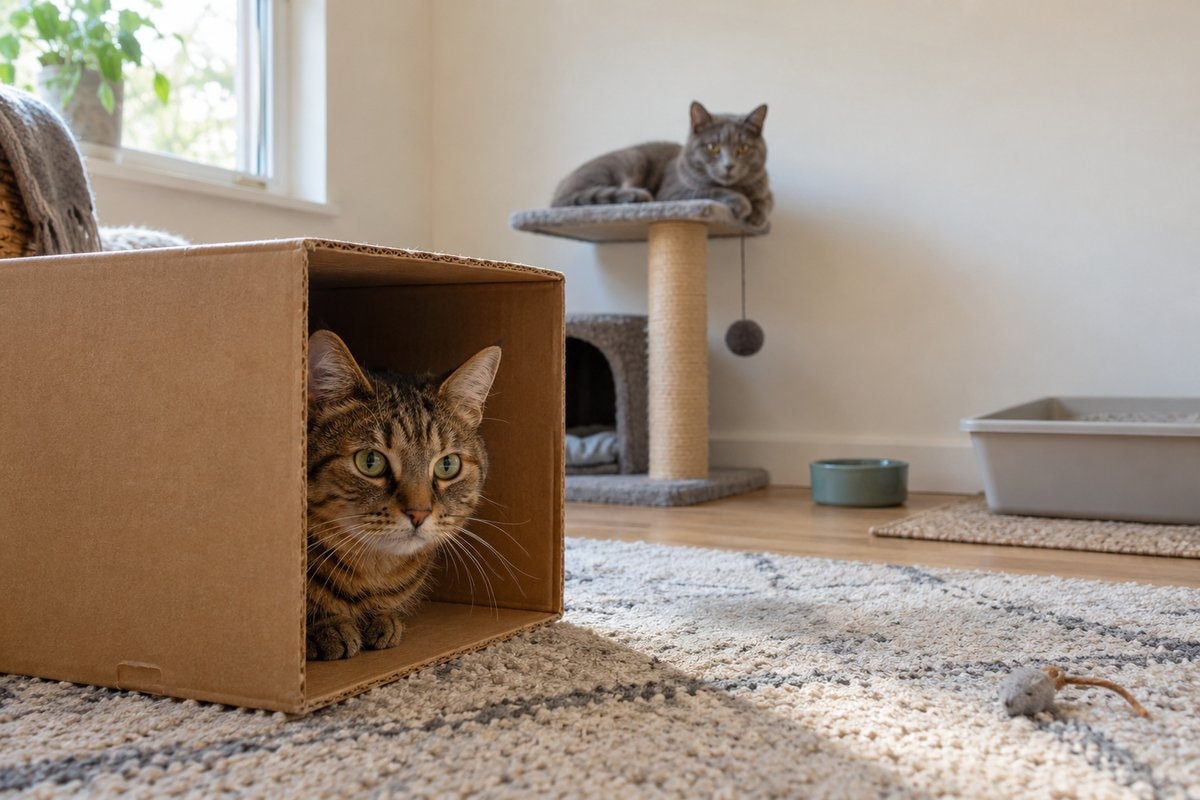
Choosing a rescue pet is less about finding a favourite description than finding a daily routine you can share. A dog may be affectionate and still need more exercise or support with time alone than you can provide. A cat may enjoy company and also need a quiet place that resident pets cannot reach. Begin with what your household can offer consistently, then ask a shelter or rescue which needs might fit that setting.
MedlinePlus’s Pet Health guidance asks what family members want from a pet, who will care for it, whether anyone has pet allergies and which animal suits the household’s lifestyle and budget. Put those questions into a discussion before browsing descriptions. If allergies or other personal health concerns are unresolved, the people-and-pets page introduces relevant reading and the reasons to speak with a health care provider.
Write down the day you actually have
Think about the household’s usual departures and returns, the quieter parts of the day and the times when everyone is busy. Decide who can take a dog out when a meeting runs late or clean a litter box when the usual caregiver is away. A vague agreement that someone will manage the task can leave the animal waiting and the household frustrated. Assign responsibilities clearly while there is still time to change the plan.
Include weekends and interruptions in the discussion. Ask what happens during travel, illness, school holidays or a change in working hours. You do not need to predict every future event, but you do need a realistic way to arrange help. If caring for a pet depends entirely on a neighbour’s generosity, have that conversation before promising the adoption team that support is in place.
Space is about access as well as size
Consider how an animal will use the space, rather than treating the size of a home as the whole answer. A dog with limited mobility may find a stairway difficult. A cat may need a retreat behind a closed door. A shared garden may not be secure, and a balcony or open window may need attention before arrival. Walk through your home imagining ordinary feeding, rest, cleaning and movement between rooms.
The ASPCA’s general cat-care guidance describes a clean resting place, a litter box in a quiet accessible position and opportunities for scratching. Those needs take up different kinds of space. Decide where equipment can remain without being moved around each time the room is used. If you cannot provide a quiet corner or separate room for the adjustment, discuss the layout with the organisation before selecting a cat.
If you rent, read the actual pet permission and discuss any restrictions with the responsible housing contact. Size, species or breed wording may affect your options. Do not rely on an informal understanding that an animal will probably be accepted. Tell the shelter or rescue what the permission says and ask how it handles a situation where a description or breed guess does not neatly match the wording.
Energy, age and expectations
An active household does not automatically need the most energetic animal. Think about whether you enjoy structured walks, regular play and teaching calm behaviour, or whether you mainly want quiet companionship at home. Ask how the dog settles after activity and what happens on a less adventurous day. A description of enthusiasm does not tell you whether the dog can cope with your usual routine.
A puppy or kitten brings care and supervision while habits develop; an adult animal may have more observations to discuss, while still needing support in a new setting. An older pet may suit a calmer household, but age alone does not settle energy, health or handling needs. Ask about the particular animal’s daily care. Avoid choosing by an assumption that youth means easier training or that an adult animal arrives without questions.
Resident pets and children
Describe the animals already in the home, including how they respond to visitors and changes in their surroundings. Ask what has actually been observed about the prospective pet around similar animals. Living with a familiar cat does not establish how a dog will react to every cat, and sharing a foster home is different from meeting in a shelter. Be prepared for an introduction plan that includes separation and supervision.
If children live in or regularly visit the home, think about their ordinary activities and the adults who will supervise. An animal’s resting place needs to remain a retreat. Ask the rescue about known responses to noise, sudden movement and handling, and be candid about your ability to manage boundaries. A broad description of friendliness is not a substitute for discussing the household’s real circumstances.
The costs are responsibilities, not just purchases
Budget for food, litter or cleaning supplies, suitable equipment, routine veterinary visits and help with care when necessary. Ask what records and equipment come with the adoption, and which responsibilities begin immediately. Leave room in your plan for a veterinary concern or a change in support needs. Avoid choosing a pet on the assumption that a small body always means a small commitment.
The ASPCA’s adoption tips emphasise preparing the home and establishing veterinary care after adoption. Use that preparation as a reality check. Can you arrange transport, manage appointments and keep the adoption records accessible? If an animal has particular care needs, ask the organisation to explain the daily tasks and discuss them with your veterinarian before deciding.
Let a possible match become a conversation
Contact a shelter or rescue directly about adopting and describe your limits as clearly as your hopes. For dogs, where to start with rescue adoption offers questions about descriptions and meetings. For cats, the rescue-cat guide explores safe rooms, temperament and daily care. An adoption team can use specific information about your home far more easily than a promise to make anything work.
It is reasonable to pause when an important question has no answer yet. A household can care deeply about rescue and still decline a match that needs different time, space or experience. Listen for uncertainty as well as reassurance, and ask what support is offered if adjustment is difficult. A thoughtful decision leaves both the adopter and the organisation with a clearer understanding of what the animal’s new home can provide.