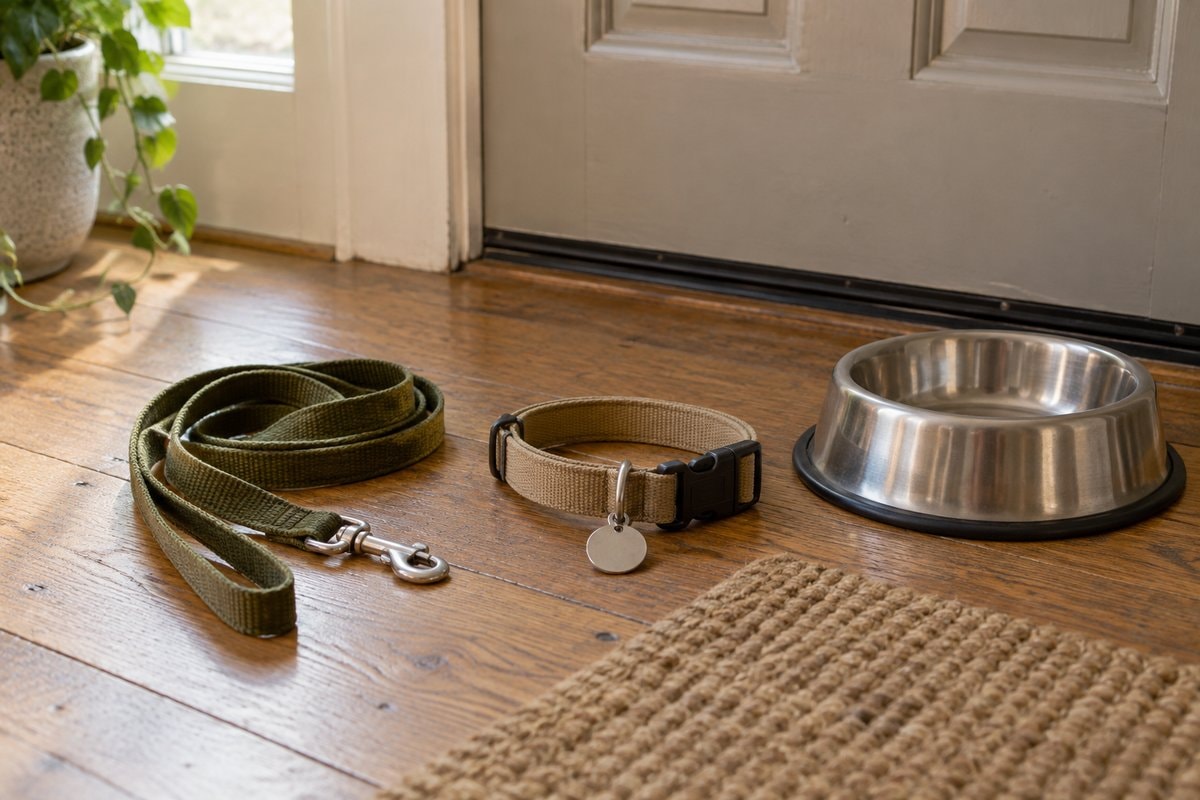
Identification is easiest to organise before an animal goes missing. When a pet comes home, check what its records say about a microchip, what needs transferring and which local services handle lost animals. Keep that information where it can be found quickly. At the same time, make a plan for doors, carriers and gates. If you are adopting, contact a shelter or rescue directly and ask which identification arrangements are completed before the animal leaves its care.
A microchip identifies; it does not track
Wikipedia's reference on animal microchips describes an identifying circuit placed under the skin. A scanner reads the identification information, which can then be used with registration records. The article explicitly distinguishes this from tracking an animal's location. Do not expect a chip to tell you where a missing pet has gone. It is part of a plan for recognition and return after the animal is found.
The reference explains that shelters, animal-control officers and veterinarians look for chips in lost animals. It also stresses that registration must contain current details. Ask the rescue which registry holds the record and what must happen when responsibility transfers to you. Request confirmation of the chip identifier and keep it with the adoption paperwork.
Ask a veterinarian to check the chip and discuss any uncertainty in the record. Do not assume that having a chip means the registration transfer has happened. Follow the registry's instructions and confirm that the changes are recorded. The first vet visit guide helps organise this alongside other questions about the animal's paperwork.
Keep identification connected to the household
Check the registration when your circumstances change. A move, a change in the best way to reach you or a different person taking responsibility for the animal should prompt a review. Follow the registry's own arrangements rather than relying on information written on an old adoption document. Keep a separate copy of the relevant records that you can access during a search.
The ASPCA's general dog-care guidance discusses a collar, licence, identification tag and implanted chip as parts of identification. Ask about an appropriate collar and tag for the animal and check local licensing arrangements. Visible identification and a chip involve different ways of recognising an animal. Discuss both rather than assuming that completing either task makes the other unnecessary.
Take clear photographs for your own records and keep a plain description of the pet's appearance. Include distinctive features you could explain to shelter staff. Store the adoption records and identification information together. If you share care, make sure the responsible caregivers know where that information is kept and which services to approach.
Plan carefully during the move into a home
Prepare for the possibility of an unfamiliar animal bolting through an open door. Arrange transport with secure equipment, and ask the rescue how it recommends transferring the animal into the home. Decide where the pet will be while luggage, shopping or visitors come through an entrance. Avoid improvising that arrangement while a door is already open.
Check gates, windows and screens before arrival. Explain the household routine to everyone who uses the entrances. Give the animal a secure place while you check an exit or bring things indoors. The guide to pet-proofing a home connects these checks with the wider household plan.
Ask the rescue which routines and handling arrangements it recommends at the start. Keep identification records ready throughout that adjustment. The first days and weeks at home guide offers questions about establishing a manageable routine without rushing the transition.
Start a search with clear information
If a pet goes missing, begin by checking the home and immediate surroundings carefully. Look in places where an animal could be shut in or hidden. Ask the household when and where the pet was last seen. Establish which entrance may have been used and whether anyone has seen a direction of travel. Keep the description consistent as you seek help.
Search nearby safely and ask neighbours to check their own enclosed spaces. Avoid entering property without permission or pursuing an animal into traffic. If the pet is sighted, tell the local service handling the report and ask how to approach the situation. A coordinated response is more useful than conflicting instructions from different people.
Notify the relevant county animal services and local shelters promptly. Share the description, the last known location and identification information through their own procedures. Ask how to check animals in their care in person and how reports are updated. Do not rely on a single description or an assumption that every service shares the same records.
Use local services and keep following up
A county's animal-services guidance describes responsibility for sheltering stray pets and returning them to owners, with information on lost pets, microchipping and licensing. Check the relevant service's own site for current details and procedures in your area. Ask which reports or records it needs, and keep a note of the arrangements you have followed.
Another county's animal-services reference includes lost-and-found information and field services responding to stray animals. These examples show subjects to look for when finding your own local service; they do not establish the process everywhere. Ask about neighbouring jurisdictions if the pet may have travelled beyond your county.
Tell the chip registry that the pet is missing and follow its instructions. Continue checking with shelters as directed and keep the report current when there is new information. When the animal is found, close the reports and review the escape route, equipment and registration. Ask a veterinarian about any health concern after the pet returns home.