A rescue-adoption conversation includes the people in the home as well as the animal. Questions about allergies, cleaning, children, daily walking and an older caregiver’s mobility deserve time before a commitment. Health agencies and research can help frame those questions, but a study about a group of people cannot tell you what adopting will mean for your own health. This is general information, not medical advice.
MedlinePlus’s Pet Health guidance asks prospective owners to consider who will provide care, whether someone has pet allergies, and how an animal fits their lifestyle and budget. Take those questions to a health care provider when they concern your health, and contact a shelter or rescue directly about adopting. The guide to choosing a pet for your household connects these conversations with time, space and practical care responsibilities.
Allergies deserve a conversation before adoption
The Asthma and Allergy Foundation of America’s pet-allergy guidance explains that reactions concern proteins in dander, saliva and urine rather than the fur itself. Hair can carry dander and other allergens. Wikipedia’s article Allergy to cats also describes a prominent allergen from cat secretions and lists symptoms including watery eyes, sneezing, coughing and wheezing. These references explain why choosing by coat appearance alone does not answer a household’s allergy questions.
MedlinePlus’s Allergy page describes allergic reactions as ranging from minor to severe. Discuss any existing symptoms with a health care provider before changing your living arrangements. Be honest with the adoption team if the household has an unresolved question. A wish to live with a cat or dog and a workable plan for everyone in the home are separate things to settle.
A study of early-life exposure to dogs and cats reported that exposure to 2 or more dogs or cats in the first year of life was associated with lower allergic sensitisation at 6 to 7 years of age, and concluded that such exposure may reduce subsequent risk of sensitisation. That is an attributed study observation, not a promise about a child or a reason to adopt for a medical purpose. It does not replace a discussion of symptoms or an assessment of the household’s ability to care for an animal.
Shared germs and ordinary household habits
Wikipedia’s article Zoonosis defines infections passed from non-human animals to people. Its articles on Toxoplasmosis and Cat-scratch disease describe distinct examples rather than a single risk shared equally by every household. The cat-scratch article describes an infection often following a cat scratch or bite. Questions about a particular exposure or symptom belong with a health care provider, not with a pet-selection checklist.
Wikipedia’s Toxoplasmosis article identifies exposure to infected cat waste as a possible route and advises pregnant people about avoiding litter-box cleaning or using gloves and washing hands afterwards. MedlinePlus’s Toxoplasmosis page also discusses cat waste and the particular concerns surrounding pregnancy and a weakened immune system. If either circumstance matters in your home, ask a health care provider about your circumstances and decide who will handle litter-box duties.
A review titled Reducing the risk of pet-associated zoonotic infections is additional research reading on this subject. Hand-washing after animal-care tasks and regular veterinary appointments are ordinary habits to put into a household plan. Agree who cleans animal equipment, where supplies are kept and how questions will reach the veterinarian or health care provider. These arrangements are practical responsibilities, not guarantees about infection.
Walking is a routine, not a promised outcome
The review Dog ownership and physical activity: a review of the evidence found that dog owners generally did more walking and physical activity than non-owners, with small to moderate effects; most included studies were cross-sectional. Its conclusion called for stronger causal evidence from longitudinal and interventional work. Cross-sectional comparisons look at people’s circumstances alongside each other and do not establish that acquiring a dog caused a change.
In Dog ownership, walking behavior, and maintained mobility in late life, only a minority of older dog owners regularly walked their dogs. Those who did were more likely to meet walking levels and maintained their initial advantage in walking speeds, which resembled the advantage associated with walking generally. The observation concerns dog walkers within a particular study, not every older person who owns a dog.
MedlinePlus’s Exercise for Older Adults guidance says the amount of exercise appropriate for someone depends on age and health, and advises checking with a health care provider. For adoption planning, think about the route outside your door, weather, steps, lead pulling and who can help when the usual walker is unavailable. Discuss a dog’s observed walking behaviour with the rescue and read the lead-training guidance before assuming size or friendliness makes walking easy.
Mobility also means noticing fall hazards
A CDC report on falls associated with dogs and cats estimated an average of 86,629 associated fall injuries each year and discussed pets and pet items as hazards alongside obedience training. A research letter titled Fractures in Elderly Americans Associated With Walking Leashed Dogs addresses fractures in older people while walking dogs on leads. Its title identifies the subject; it is not a prediction about any particular adopter.
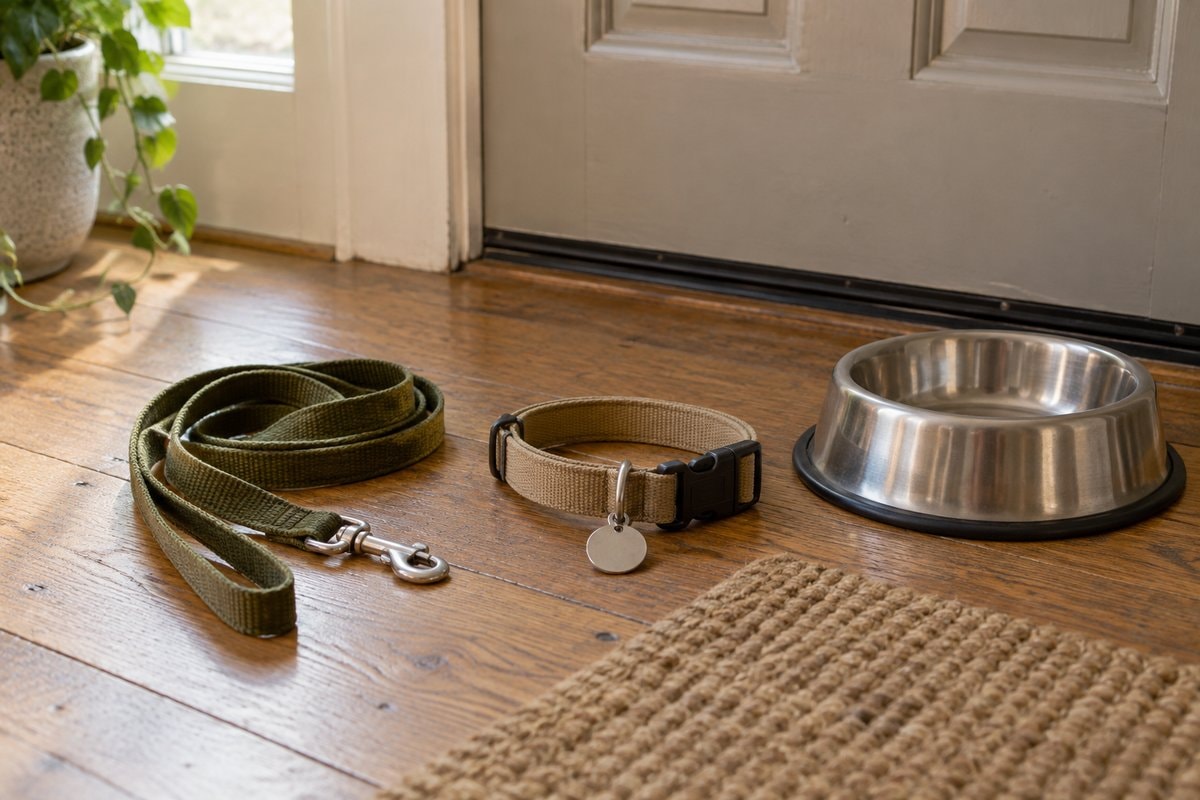
Consider whether you can manage a dog’s size and pulling strength, keep walking routes through the home clear and arrange help with walks. Bowls, leads and resting places need positions that work for people moving through the room. The guide to pet-proofing your home helps you examine the surroundings. These are everyday planning choices, without a claim that a particular arrangement changes a medical outcome.
Heart health and longevity: read the limits
The American Heart Association’s Pet ownership and cardiovascular risk: a scientific statement from the American Heart Association is a named scientific statement on the subject. The title identifies the reading; no finding from that statement is asserted here.
Dog Ownership and Survival: A Systematic Review and Meta-Analysis reported an observational association between dog ownership and lower long-term mortality, while noting a limitation concerning adjustment for confounders; it should be read alongside Does Dog Ownership Really Prolong Survival?: A Revised Meta-Analysis and Reappraisal of the Evidence, whose title questions that interpretation. An association does not show that dog ownership causes longer life. Choose adoption because you can offer suitable care and want the responsibilities of companionship, with health questions discussed separately.